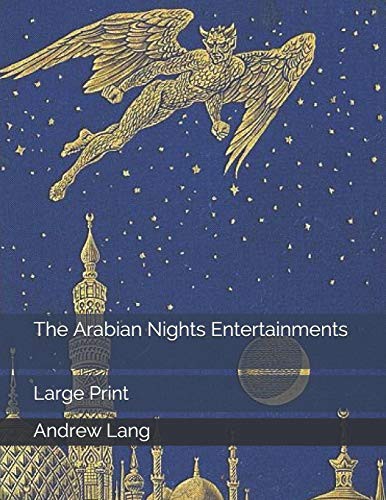
Arabian Nights
AI Woke Analysis
AI Rating: 1/10 - "Arabian Nights" (Andrew Lang's 1898 adaptation) is a collection of ancient Middle Eastern folktales emphasizing adventure, magic, romance, and moral lessons. It lacks progressive political messaging, social justice themes, identity politics, or diversity/inclusion agendas. Characters reflect traditional cultural norms of the era (e.g., patriarchal societies, exotic Orientalism), with storytelling prioritized over any ideological preaching. No modern "woke" elements.
AI Quality Analysis
Andrew Lang’s 1898 adaptation of *Arabian Nights* excels in storytelling and entertainment value. The collection of tales, including classics like "Aladdin" and "Ali Baba," showcases intricate, nested narratives that captivate with their imaginative plots and unexpected twists. Lang’s writing is clear and engaging, preserving the enchanting, oral-tradition style of the original stories while making them accessible to a Western audience. The characters, though often archetypal, are memorable and serve the fantastical nature of the tales well, with their motivations driving the adventurous spirit of each story. Pacing varies across the collection—some tales are brisk and gripping, while others meander—but overall, it maintains a compelling rhythm. Originality is inherent in the timeless, culturally rich source material, though Lang’s curation lacks some of the raw depth of earlier translations. As a book, production value is limited to the era’s printing standards, but the text itself remains a polished artifact of literary craftsmanship. Entertainment value is high, offering escapism through magical worlds and moral dilemmas, appealing to readers of all ages. While not a flawless masterpiece due to occasional inconsistencies in tone and depth, it stands as a remarkable anthology of folklore.
Sign in to write a review or report content.
User Reviews
Loading reviews...
No ratings yet. Be the first to rate this media!
No keywords added yet