
Buy on Amazon and support us at no extra cost
The Housemaid
Description
2025 film by Paul Feig
AI Woke Analysis
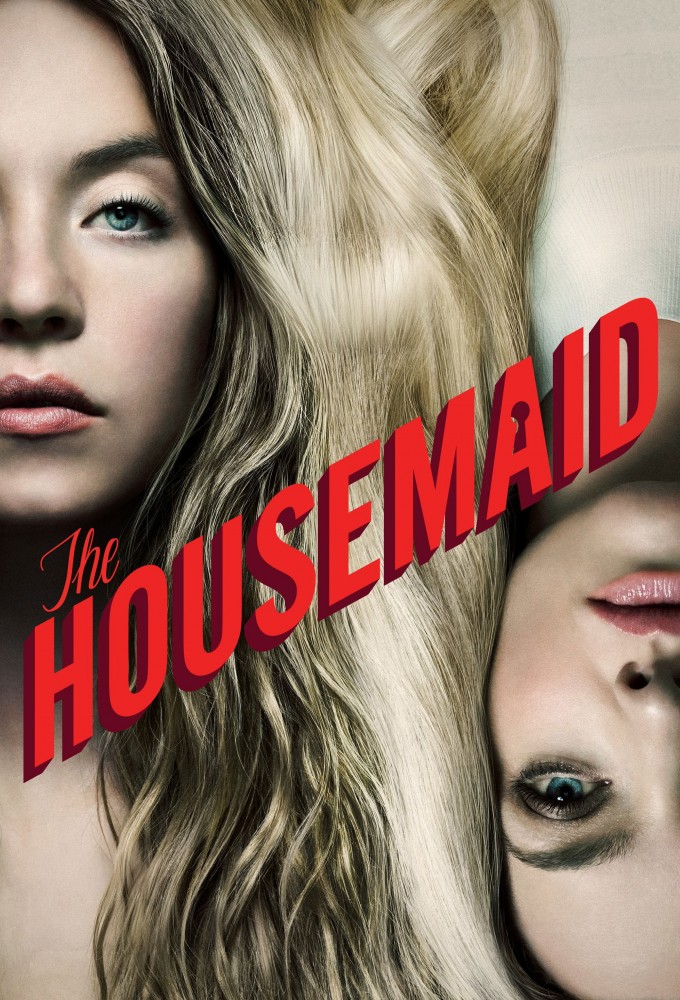
Paul Feig's "The Housemaid," released in December 2025, adapts Freida McFadden's bestselling novel into a pulpy erotic psychological thriller centered on Millie (Sydney Sweeney), a young woman with a criminal past who takes a live-in maid job for the affluent Nina (Amanda Seyfried) and Andrew Winchester (Brandon Sklenar). The story unfolds as a tale of dark family secrets, domestic abuse, power imbalances, and vengeful twists within a wealthy Long Island household, blending suspense, campy drama, and occasional humor.6)7
While the film features strong female leads driving the narrative—Seyfried earning particular praise for her unhinged portrayal of Nina—it prioritizes genre thrills and plot contrivances over any overt progressive messaging. Themes of class disparity, relational control, and revenge emerge organically from the thriller structure, reminiscent of pre-woke era potboilers, without lectures on identity politics or social justice.43 Feig, known for female-centric projects like "Bridesmaids," centers women here but avoids the heavy-handed empowerment arcs that define more ideological fare; one review likens Nina's instability to an exaggerated feminist stereotype, undercutting any serious feminist undertones.3
Anti-woke outlets nitpick minor elements—a boardroom scene with men mocking a lactating mother, the rich white husband as abuser, sympathetic framing of an abused wife—as potentially "woke-adjacent," but concede the execution is too hackneyed and story-focused to push an agenda, rating it low overall despite audience perceptions.2 The cast lacks forced diversity, with mostly white principals and no DEI-driven subplots. Critics hail it as "female-driven" entertainment marching toward horror, but this reflects commercial thriller conventions rather than prioritizing inclusion over storytelling.5 Box office success ($335 million) and positive reception (74% Rotten Tomatoes) affirm its appeal as unpretentious genre fare.6)
This earns a mild 3/10 for woke content: faint echoes of gender revenge tropes exist, but they serve the plot without supplanting it, distinguishing it from media laden with explicit activism.
AI Quality Analysis
Paul Feig's adaptation of Freida McFadden's bestseller transforms a pulpy psychological thriller into a glossy, twist-filled ride that leans into campy excess while occasionally stumbling over its own ambitions. The storytelling follows Millie (Sydney Sweeney), a down-on-her-luck young woman hired as a live-in maid for the affluent Winchester family—Nina (Amanda Seyfried) and Andrew (Brandon Sklenar)—only to uncover layers of deception, gaslighting, and shocking secrets behind their perfect facade.1 Feig, best known for sharp comedies like Bridesmaids, shifts gears effectively here, building suspense through constant rug-pulls and reversals that keep viewers guessing, though some twists feel telegraphed and the narrative drags in a sluggish first half before accelerating into a deliriously unhinged third act.23
Character development shines brightest through Seyfried's standout turn as the volatile Nina, a whirlwind of unblinking rage, manipulative charm, and hysterical breakdowns that anchors the film's wicked energy and elevates it beyond standard genre fare.4 Sweeney holds her own as the wide-eyed protagonist, evolving from passive victim to ruthless survivor, though her early scenes border on somnambulant, requiring the plot's momentum to fully activate her presence. Sklenar provides reliable support as the enigmatic husband, adding depth amid the escalating chaos. The writing, adapted by Rebecca Sonnenshine, delivers juicy dialogue laced with dark humor and Grand Guignol flair, capturing the novel's addictive page-turner quality on screen.5
Production values are a highlight, with the palatial Long Island mansion—complete with ominous attic, winding staircases, and pristine interiors—serving as a character in itself, shot with sleek, lurid cinematography that amplifies the erotic tension and suburban satire.6 Feig's direction evokes '90s thrillers like The Hand That Rocks the Cradle, blending sex, violence, and female empowerment into entertaining pulp, bolstered by a pulsating score and sharp editing in the back half. Pacing falters at 131 minutes, feeling about 20 minutes overstuffed, and the film holds back from full campy abandon, missing some anarchic comic bite.1
Ultimately, The Housemaid excels as crowd-pleasing entertainment, grossing over $300 million worldwide on a modest budget thanks to its sly throwback appeal, strong audience scores (92% on Rotten Tomatoes), and Certified Fresh critical reception (around 75-80%).73 It's not a masterpiece of originality or precision—lacking Hitchcockian elegance—but its craftsmanship delivers reliable thrills, memorable performances, and guilty-pleasure fun for thriller fans.
Sign in to rate, review, or report this content.
User Reviews
Loading reviews...
No ratings yet. Be the first to rate this media!
No keywords added yet